Introduction
Fast networks power modern companies, but tracking millions of moving digital parts challenges every operations crew. Computing clusters produce endless streams of records, performance numbers, and warning notices every minute. When software errors happen, finding the broken line of code feels like searching for a needle in a haystack. Unchecked crashes interrupt transactions, block client logins, and create severe stress for on-call engineers. Clever algorithms step in to scan this mountain of numbers, discover unusual activity, and fix ordinary glitches immediately. Readers will explore foundational terminology, practical workflow steps, and modern career paths across TheAIOps.com to master this essential field.
What Is AIOps?
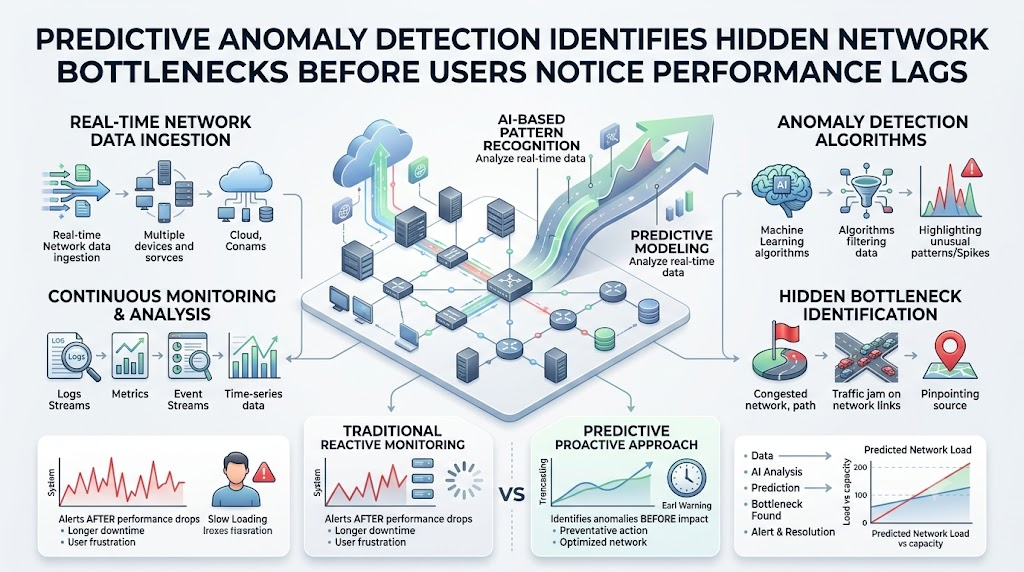
Smart operational software uses advanced algorithms to simplify routine computing maintenance for engineering departments. Information technology operations covers the daily tasks that keep servers, apps, and corporate databases running. These systems apply machine learning, which means software studies past performance figures to understand ordinary activity. Continuous monitoring keeps an active eye on server health day and night. During this work, the platform parses logs, which serve as digital diary entries that applications write. It also measures metrics, which represent concrete numbers like memory usage, processor speed, and network lag. When something changes inside a server, the operating environment logs an event. These events quickly trigger alerts, which sound like alarms when problems arise. However, endless sirens confuse engineers during large-scale network crashes. Smart platforms group these alerts together to pinpoint the root cause, which represents the real bug behind an outage. Finally, automation runs predefined correction scripts to fix broken systems without human keystrokes.
Why Do IT Teams Need AIOps?
Modern businesses run complex programs across hundreds of elastic cloud servers. These dynamic clusters produce gigantic mountains of operational records every single hour. Support staff face severe burnout because thousands of redundant alarms flood their screens daily. Weary technicians spend hours searching through nested configuration files just to find a single typo. Support desks repeat the same basic fixes instead of shipping valuable new software features. Major outages drag on because finding the broken server requires painful manual digging. Algorithmic software solves these headaches by filtering out useless electronic static. The system spotlights actual hazards and connects separate symptoms into a single clear story. Technicians repair faults quickly because they grasp the entire picture right away. Still, smart software cannot solve every challenge alone. Human thinkers must always guide architectural plans and resolve unique technical crises.
AIOps Tasks and Benefits
| AIOps Task | Simple Meaning | Possible Benefit |
| Telemetry Ingestion | Gathers speed metrics and text logs continuously | Gives engineers complete visibility across every active cloud component |
| Alarm Filtering | Silences low-priority pings and duplicate warning buzzers | Protects technicians from alert fatigue and highlights real emergencies |
| Pattern Tracking | Spots weird statistical deviations from baseline behavior | Flags silent memory leaks before customers notice slow pages |
| Event Mapping | Connects related alarms across the stack into one file | Shows the real broken component instead of dozens of minor symptoms |
| Scripted Recovery | Triggers automated commands to reboot frozen daemons | Restores downed services within seconds without manual keyboard work |
What Does TheAIOps.com Offer?
TheAIOps.com delivers comprehensive study guides, software comparisons, and architectural references for modern infrastructure specialists. Curious students find deep knowledge bases focused on Artificial Intelligence for IT Operations. Motivated engineers enroll in AIOps Training to build practical diagnostic skills. IT practitioners complete a thorough AIOps Course to understand data flows and automated remediation scripts. Candidates prepare for industry credentials through structured AIOps Certification programs. The platform evaluates leading AIOps Tools and explains every prominent enterprise AIOps Platform. Businesses review expert AIOps Consulting advice and explore tailored AIOps Services to accelerate transformation projects. Teams also access reliable blueprints for smooth AIOps Implementation across legacy datacenters. Every future AIOps Engineer discovers the right technical roadmap to build lasting career success.
AIOps Training and AIOps Course
Focused instruction turns technical theory into reliable job skills through guided labs. A strong AIOps Course starts with telemetry collection fundamentals, including metrics, traces, and text logs. Students study event filtering alongside anomaly detection to spot system disruptions quickly. An anomaly simply means any metric value that strays outside normal operational bounds. The curriculum demonstrates how causal correlation algorithms locate the hidden source of an outage. Mentors explain machine learning concepts simply so students master operational models without advanced math degrees. Hands-on practice plays a crucial role because real computer networks fail in weird, surprising ways. Students run scripts in simulated environments that mimic sudden production crashes. Typing real commands builds the exact diagnostic confidence that hiring managers want.
AIOps Learning Areas
| Learning Area | What Learners Should Practice |
| Telemetry Collection | Install monitoring agents to track processor load, memory, and disk reads |
| Log Inspection | Search chronological text records to pinpoint hidden application bugs |
| Baseline Graphing | Chart operational performance across peak hours to identify normal habits |
| Noise Reduction | Build correlation rules that silence repetitive diagnostic chatter |
| Outlier Detection | Configure statistical triggers that highlight sudden latency spikes |
| Causal Discovery | Trace broken checkout screens back to an exhausted database pool |
| Remediation Scripts | Author shell commands that clear disk caches and restart frozen background tasks |
| Incident Reviews | Write clear post-incident summaries that explain technical fixes to team leaders |
AIOps Certification and AIOps Engineer Skills
A recognized AIOps Certification proves that an engineer understands automated telemetry processing and smart remediation workflows. These certifications validate knowledge across data pipelines, alert grouping rules, and script automation. Studying for an exam instills great discipline and uncovers knowledge gaps across cloud infrastructure. Even so, a paper certificate never guarantees employment on its own. Companies hire individuals who solve messy infrastructure crashes under intense pressure. A skilled AIOps Engineer blends deep monitoring knowledge with quick troubleshooting habits. You must understand cloud networking, routing rules, and basic scripting. Writing code helps you link disparate diagnostic tools into seamless self-healing loops. Clear communication matters just as much as technical skill because you must explain complex incidents to non-technical business partners.
AIOps Tools and AIOps Platform
Individual diagnostic tools handle focused duties, like watching server metrics or archiving security logs. A centralized AIOps Platform unifies these disparate tools into a single intelligence hub. It delivers deep observability, which allows engineers to understand internal system health by checking external telemetry. The platform clusters related warnings, detects emerging anomalies, and triggers remediation scripts automatically. Technology leaders must evaluate their specific operational pain points before purchasing software licenses. Teams must verify that the new software connects with existing monitoring agents without friction. Cost, data security regulations, and current team proficiencies also dictate good purchasing decisions. The software must scale smoothly because customer traffic surges during big sales events. Rushing into expensive software contracts without clear goals produces abandoned tools and wasted money.
AIOps Implementation: How Does It Work?
- Target a single painful operational headache, such as a crashing login service.
- Ingest structured telemetry directly from those unstable application servers.
- Clean and normalize incoming logs to remove confusing format errors.
- Connect monitoring streams to establish an accurate baseline of normal activity.
- Create deduplication rules to silence identical alert notifications.
- Evaluate anomaly detection thresholds against everyday traffic spikes.
- Correlate related event streams so the platform pinpoints genuine root causes.
- Automate basic recovery actions, like purging temp folders or restarting stalled processes.
- Enforce human approvals before the system triggers high-risk remediation scripts.
- Measure recovery speeds to quantify real productivity gains across the team.
- Refine alert filters based on operator feedback after every major incident.
- Roll out the platform across additional infrastructure layers systematically.
AIOps Consulting and AIOps Services
Growing companies often seek external guidance when upgrading legacy monitoring stacks. Through AIOps Consulting, experienced architects inspect infrastructure setups to spot workflow bottlenecks and monitoring blind spots. Dedicated AIOps Services construct telemetry pipelines, build correlation policies, and design clear executive dashboards. Seasoned advisors teach internal system administrators how to maintain algorithms, interpret telemetry, and write safe automation scripts. Consultants also review security configurations so monitoring streams never leak private customer records. Organizations must establish clear goals, budget limits, and project timelines before hiring outside firms. Without clear goals, consulting projects lose momentum and deliver underwhelming results.
Real-Life Scenarios / Experiences
- Streaming platforms experience huge viewer spikes during major championship games. An algorithmic management tool detected memory pool exhaustion forty minutes before video players stalled. The platform launched supplementary worker instances automatically, so sports fans watched the entire game without buffering.
- Healthcare organizations store patient records across imaging archives, pharmacy databases, and clinical monitors. Alert storms routinely generated ten thousand warning emails during busy weekend shifts. Intelligent operations software grouped identical network errors into three actionable incident tickets, saving staff from extreme fatigue.
- Retail banking networks lost visibility during a major cloud datacenter blackout. Smart correlation engines traced transaction timeouts back to a severed fiber link within ninety seconds. Engineers rerouted network traffic across secondary lines before customers noticed broken payment terminals.
How TheAIOps.com Can Help
TheAIOps.com supports aspiring technicians, systems administrators, and engineering leaders who want to build dependable automation strategies. Learners discover structured paths for AIOps Training that demystify complex cloud ecosystems. Professionals review detailed syllabus modules inside an AIOps Course to sharpen operational skills. The platform maps out clear preparation steps for earning an AIOps Certification. Enterprise teams evaluate options when choosing a comprehensive AIOps Platform or targeted AIOps Tools. Furthermore, decision-makers uncover strategic advice when choosing an AIOps Consulting partner. Teams explore field-tested blueprints before launching a major AIOps Implementation initiative. The site gives every ambitious AIOps Engineer the practical knowledge needed to thrive in modern IT operations.
A Practical Implementation Approach
Focus your team’s energy on one small problem rather than overhauling the whole datacenter overnight. Identify the single microservice that triggers frequent midnight calls for your on-call technicians. Route log feeds, metric collectors, and tracing tools from those target hosts into your platform. Feed this data into the engine to create an authentic baseline of normal activity. Create filtering rules that drop duplicate network warnings immediately. Test anomaly identification algorithms to verify that the tool separates normal peak hours from malicious cyber attacks. Introduce automated remediation exclusively on safe tasks, like restarting stalled worker threads. Require manual confirmation prompts whenever the platform tries to terminate cloud instances. Compare mean recovery times against historical records to measure your real productivity gains. Refine your system rules gradually, and expand platform scope only after proving undeniable value.
Common Mistakes to Avoid
- Automating high-risk server shutdowns without human oversight damages operational databases.
- Feeding dirty or unparsed log entries into algorithms produces useless diagnostic recommendations.
- Purchasing enterprise software suites without training your engineering staff creates costly shelfware.
- Neglecting security rules allows diagnostic agents to leak private client passwords across the network.
- Rolling out the platform across every corporate app at once exhausts your engineering staff.
- Leaving legacy alert thresholds active creates twin alarm streams that confuse on-call technicians.
- Skipping post-incident debriefs hides tuning opportunities from your platform administrators.
- Omitting baseline performance tracking makes measuring business value impossible.
Frequently Asked Questions
1. Which fundamental challenge does algorithmic IT software fix?
Cloud platforms produce overwhelming volumes of telemetry data every minute. Thousands of servers emit error logs, performance numbers, and network notifications simultaneously. Human technicians cannot inspect this electronic ocean fast enough during sudden outages. The software groups matching alerts, silences redundant noise, and pinpoints the actual broken component. This swift diagnosis keeps customer-facing apps running smoothly.
2. Can junior engineers learn these systems without data science degrees?
Beginners can pick up these operational concepts without advanced mathematical training. Modern enterprise platforms present clean web dashboards, visual charts, and straightforward setup menus. You only need a firm grasp of computer networking, basic operating systems, and simple script writing. Eagerness to learn and steady hands-on practice matter much more than complex statistical theory.
3. Do machine learning systems eliminate jobs for human administrators?
Algorithmic software supports human operators rather than replacing them on corporate payrolls. The software performs tedious chores, like reviewing repetitive logs and discarding duplicate alert pings. Human technicians must still design architectural blueprints, approve sensitive changes, and resolve unprecedented outages. Intelligent tools simply handle low-level noise so humans can tackle creative engineering projects.
4. How does anomaly detection spot hidden trouble early?
The software observes operating habits for weeks to learn typical computing patterns. It learns how much memory applications need during busy mornings versus quiet weekends. When a background service suddenly consumes huge processor resources at midnight, the tool flags this deviation instantly. Engineers inspect the rogue process before it freezes the entire user interface.
5. Why do older monitoring tools produce excessive alert storms?
Older monitoring suites watch individual servers using rigid, isolated threshold triggers. If a central network switch fails, every attached computer fires an emergency alarm simultaneously. A single hardware failure quickly creates hundreds of frantic inbox notifications. Smart platforms link these simultaneous warnings directly to the damaged switch, generating one tidy ticket.
6. Does an engineer need programming experience to operate these platforms?
Basic scripting knowledge helps engineers set up automated remediation routines and parse complex data streams. Languages like Python or Bash let you automate process reboots and clear out bloated cache folders. However, many enterprise platforms feature intuitive visual consoles that require zero programming skill. You can complete most everyday administrative duties using visual menus.
7. How does causal correlation reveal the true origin of an outage?
Causal engines examine operational events across your whole technical environment using precise timestamps. When a primary database locks up, web services fail and customer screens display error codes. The platform traces this chain reaction backward to the original database error. This analysis directs engineers straight to the broken asset without wasted guesswork.
8. What distinguishes simple monitoring from environmental observability?
Monitoring tracks predefined indicators to show when a specific system fails. It tells you whether an application is online right now. Observability collects logs, metrics, and traces to explain why an unexpected internal failure occurred. Observability provides the rich data clues that smart software needs to reach accurate conclusions.
9. How many months does a standard enterprise rollout take?
A focused pilot project covering one application typically takes between two and four weeks. During this brief phase, technicians connect data sources and tune alarm policies. Comprehensive rollouts across sprawling hybrid networks usually require three to six months. Teams must clean data pipelines, set safety boundaries, and train staff members across departments.
10. Can mid-sized companies benefit from smart operational software?
Smaller technology departments gain massive benefits from using intelligent operations tools. Modest companies maintain lean teams that cannot monitor system screens around the clock. The platform watches cloud assets overnight and resolves minor glitches through automated scripts. This constant protection lets small engineering teams rest easy while keeping services online.
11. What key duties define the daily life of an operations engineer?
An operations engineer configures data collectors, builds monitoring dashboards, and creates alert filtering rules. They write automated remediation scripts to fix recurring application faults without manual intervention. During severe service disruptions, they analyze correlation graphs to speed up recovery. Afterward, they review incident notes to protect the infrastructure against future outages.
12. Which indicators prove that an automation deployment succeeded?
Engineering leadership tracks success by recording system uptime percentages and mean time to resolution. Teams tally the reduction in total alert volume and track prevented downtime events. When on-call engineers receive fewer midnight escalation alerts, the system demonstrates true success. High platform reliability and positive customer feedback prove the investment delivered real business value.
Conclusion
Automated intelligence empowers modern organizations to run massive cloud platforms without burning out their technical staff. Smart diagnostic tools reduce distracting alert noise, catch subtle anomalies, and run safe programmatic fixes within seconds. Tech professionals who master these operational skills place themselves at the forefront of modern infrastructure engineering. You can explore structured roadmaps, comprehensive guides, and expert resources on TheAIOps.com to sharpen your capabilities. By studying data flows, correlation rules, and safe automation principles, you help build resilient computer systems that keep businesses running smoothly every single day.